







If you've been trying to cut down on plastic waste, you've probably heard about "refilleries" - shops where you bring your own containers (or use ones that they provide), and fill them up with everything from shampoo to pasta. They can feel a little intimidating the first time, mostly because nobody actually explains how they work. So here's everything you need to know before you walk in the door.
What Is a Refillery?
A refillery is a store built around package-free shopping. Instead of buying a new plastic bottle of dish soap every time you run out, you use your own container, weigh it, fill it from a bulk dispenser, and pay only for the product you took. Some refilleries specialize in home and body care (soaps, lotions, cleaning supplies), others focus on pantry staples (grains, spices, oils), and many do a bit of both. You'll find them as standalone shops, sections inside zero-waste grocery stores, or pop-up stalls at farmers markets.
Why People Start Going
The obvious draw is less plastic waste, but most regulars will tell you it's about more than that. Buying only what you need means less food and product waste overall. Bulk pricing is often cheaper per ounce than store-bought bottles, especially for things you use a lot of, like laundry detergent. And some find satisfaction in matching containers or jars rather than a shelf of half-empty plastic bottles.
What to Expect When You Walk In
Containers. Many refilleries have a container station near the entrance or checkout — a shelf or bin of clean, donated jars and bottles that previous customers no longer need. If you show up without a container, you can often grab ones here for free instead of buying new ones. And once you're done with a container you don't need anymore, you can drop it off for someone else to use. It's a nice way to stock up when you're just starting out, and a good habit to keep. Any container you clean out at home can go back to the shop instead of the recycling bin. Not every refillery has one, but it's worth checking when you walk.
The tare system. This is the part that trips people up most, so let's demystify it. "Tare" just means the empty weight of your container. When you arrive, either you or staff will weigh your empty jar or bottle first and either write the weight on it with a grease pencil, stick a label on it, or note it in a system tied to your name. Each refillery is slightly different but you'll notice a taring station if you do it yourself, most likely with simple directions posted. You can always ask a shop assistant. That empty weight gets subtracted at checkout so you're only charged for the product, not the glass.
The dispensers. Along the walls you'll see rows of pumps, spigots, and gravity-fed containers holding liquids (soaps, oils, vinegar) and dry goods (rice, beans, spices, tea). Each one usually has a printed price per ounce or gram, and possibly a sku number that you will write on the container.
The scale station. After filling, you'll bring your container to a central scale, where staff (or a self-serve scale) will weigh it, subtract the tare, and calculate your total. Or you will record the weight on a self-serve scale, and staff will calculate the total at checkout.
The vibe. Refilleries tend to be small, quiet, and staffed by people who genuinely like talking about sustainable living. Don't be afraid to ask questions. Most staff expect it from newcomers and are happy to walk you through the process.
How to Prepare Before You Go
- Clean, dry containers. Bring old spice jars, mason jars, empty bottles, cloth bags... reusing plastic containers is absolutely fine. Again, most refilleries keep a small stock of donated containers for free, so don't stress if you show up empty-handed. Dry matters more than clean for dry goods (any moisture can clog dispensers or spoil grains); for liquids, just rinse well and let them air dry.
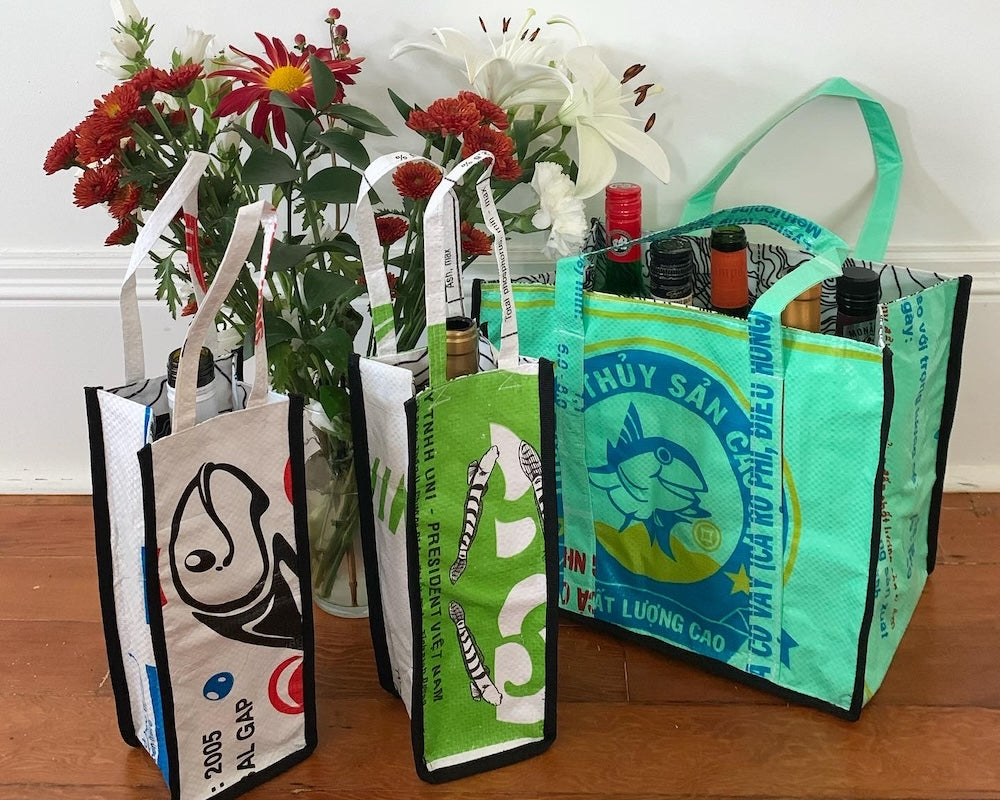
- Bring a bag or bin to carry filled containers home. Liquids in particular can be top-heavy, and a sturdy tote saves you from a spill in the car.
- Look up the shop's product list online first. Not every refillery carries everything. A quick glance at their website or Instagram tells you if they have your favorite laundry soap or just olive oil and honey.
A Simple Step by Step
- Walk in with one or two empty containers (start small - you don't need to overhaul your whole pantry on day one).
- Have staff weigh and tare your containers, or use the self-serve scale if the shop has one.
- Fill up from the dispenser of your choice, using the pump or spigot slowly to avoid overfilling. Take record of the item.
- Wipe the rim if needed and cap your container.
- Bring it to checkout.
- Pay, and you're done. Bring the same containers back next time.
Common First-Timer Questions
Do I have to buy a container there, or can I bring my own from home? Almost always you can bring your own. Refilleries want to reduce waste, so any clean, appropriately sized container is usually welcome.
What if I don't know the tare weight? You don't need to know it. Staff will weigh your empty container before you fill it, so there's no math required on your end.
Is it more expensive than the grocery store? It depends on the product. Specialty items like essential oils can run higher, but everyday staples like dish soap, rice, or spices are frequently cheaper per ounce, especially since you're not paying for packaging.
Can I return with a dirty container? For dry goods, just make sure it's dry. For liquids like soap, a quick rinse is usually fine since it's about to be filled with more soap anyway.
A Few Tips for Making It a Habit
- Keep a small set of "refill jars" together in one bin at home so they're easy to grab before a store run.
- Start with the products you use fastest, like dish soap or hand soap, so refilling becomes routine.
- Label jars with a piece of masking tape and pencil so you don't mix up which spice is which once it's out of its original packaging.
- If there's no refillery near you yet, some brands now offer refill pouches you can use to top off store-bought bottles at home, which is a nice bridge while you get used to the habit.
Refilleries take a little getting used to, but after one or two visits the tare-and-fill routine becomes second nature. It's a small shift that adds up: less plastic in the landfill, more control over portion sizes, and often a friendlier way to shop.

