







You may have used these words interchangeably. Most people do.
But they mean very different things. And in a world full of greenwashing, vague claims, and labels designed to make you feel good without telling you anything real, understanding the difference is one of the most useful things you can do as a conscious consumer.
Biodegradable
Biodegradable simply means something can be broken down by bacteria, fungi, or other living organisms. It sounds great, until you realize that almost everything is technically biodegradable given enough time.
A plastic bag? Biodegradable. In about 1,000 years.
A styrofoam cup? Biodegradable. In about 500.
That's the loophole brands exploit. There's no regulated timeline, no standard conditions, no verification required. A brand can slap it on a label and technically be telling the truth, while their product sits in a landfill for generations, slowly breaking down into microplastics that end up in the water supply anyway.
So biodegradable is a starting point, not a guarantee.
Compostable
Compostable is where things get more meaningful. For something to be compostable, it has to break down into non-toxic components. Ie: water, carbon dioxide, and organic matter, within a specific timeframe, under specific conditions. No harmful residue. No microplastics. Just material returning to the earth the way nature intended.
There are two types worth knowing:
Home compostable breaks down in a backyard compost bin. The gold standard. No industrial process required.
Industrially compostable means it requires the high heat and carefully controlled conditions of a commercial composting facility to break down properly. This is where a lot of people get tripped up. If your city doesn't have an industrial composting program (and many don't), that "compostable" packaging goes straight to the landfill with everything else. And in landfill conditions, without adequate oxygen and moisture, it may not break down much faster than conventional plastic.
So even "compostable" isn't a free pass. The conditions matter as much as the material itself. The label says compostable. The infrastructure says otherwise.
Here's the thing most brands don't want you to think about: the most sustainable product is the one that doesn't need to be disposed of at all.
An item that lasts ten years - worn, used, loved, repaired - is almost always better for the planet than a "compostable" alternative that needs to be replaced twice a year, and breaks down in six months.
Durability is its own form of sustainability.
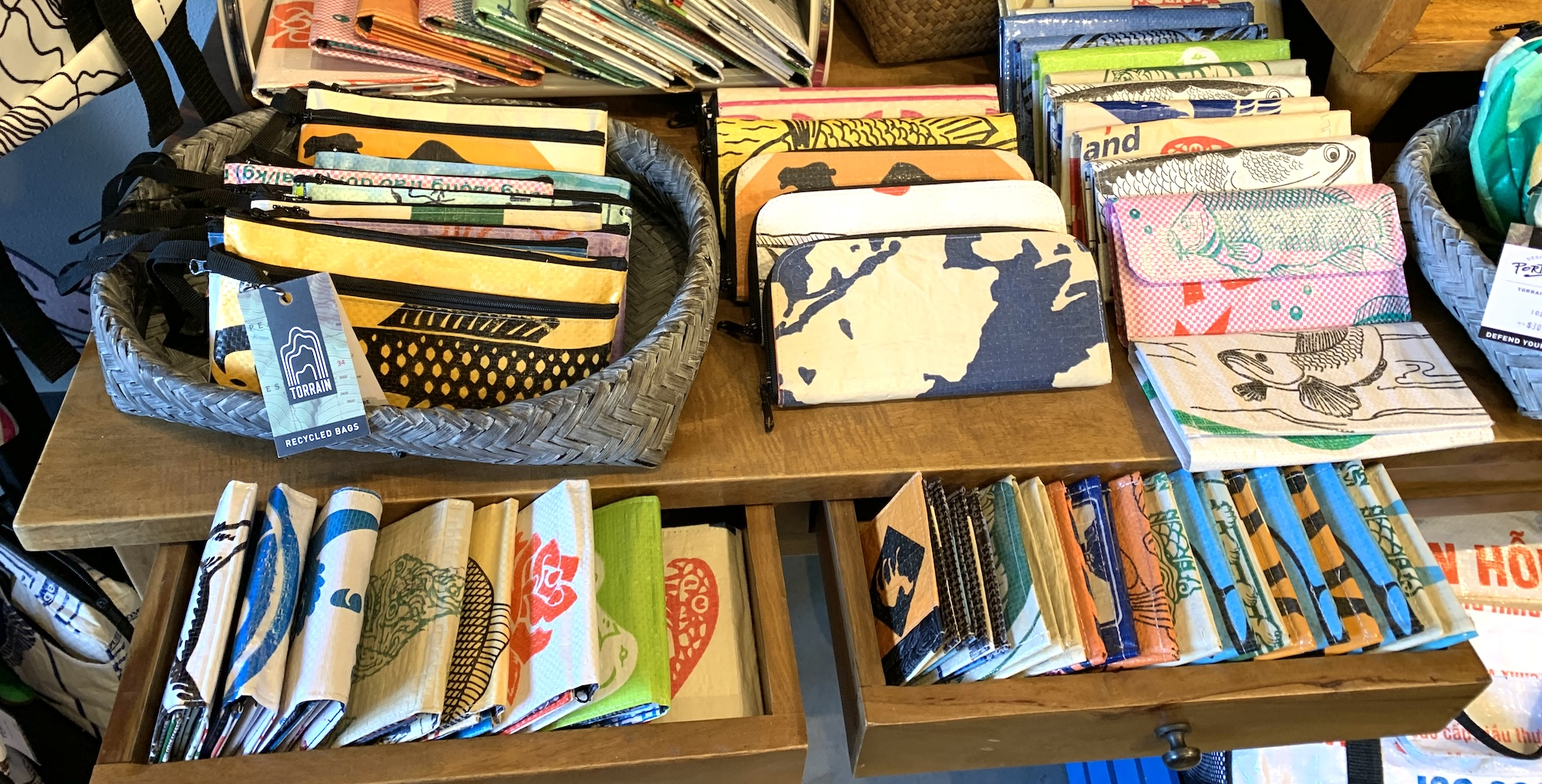
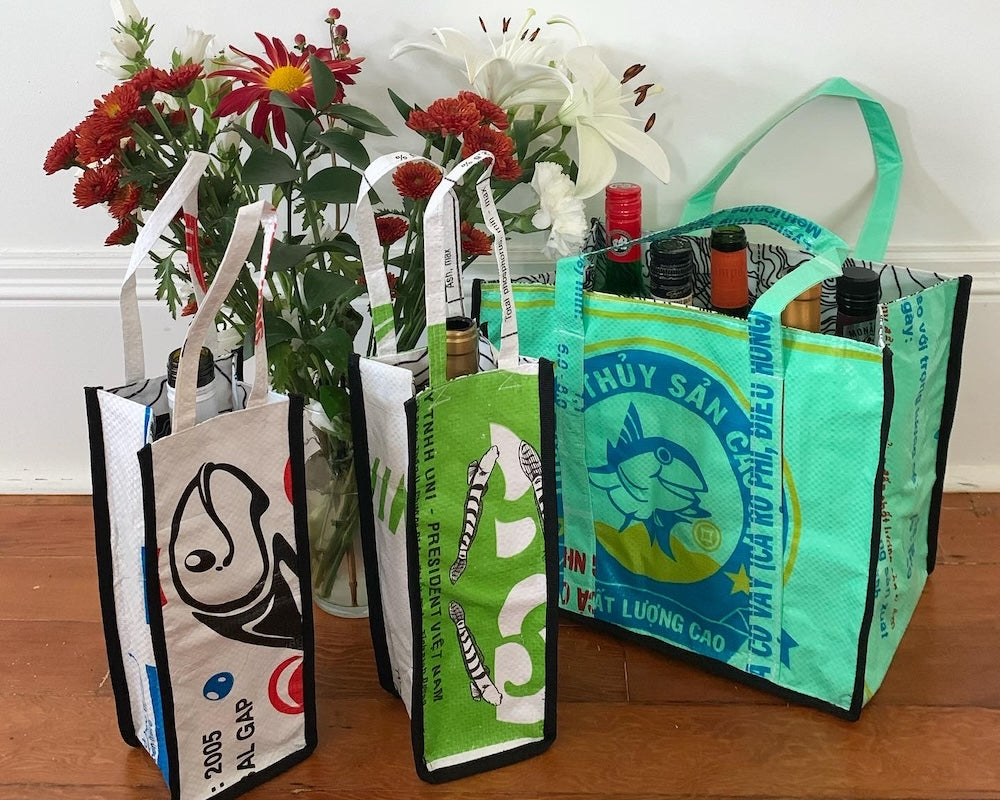
We're not in the business of making things disappear. We make bags from materials that already lived one life, and we build them to last another one.
They don't break down. They wear in.
Every TORRAIN bag prolongs one more thing from being in a landfill. Not because it composts. Because it lasts.
And for every bag sold, 1 lb of plastic is recovered from the ocean through our CleanHub partnership - before it ever gets the chance to break down into something worse.
Just make sure to read the label and ask the questions.

